

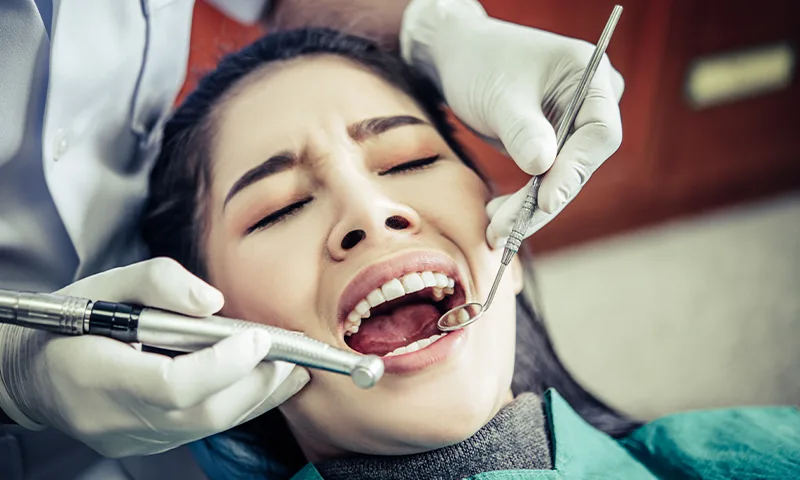
Teeth Gap Filling Options by Expert Dentists
Teeth gaps, called diastema medically, are more than just a cosmetic problem. They affect speech, lead to food getting stuck and affects their confidence. But we have some good news here. Many modern dental solutions work for teeth gap filling. Here’s what your dentist might recommend you!
What Is a Teeth Gap Filling?
Teeth gaps can occur due to many reasons. It may be natural or due to tooth size discrepancy, gum diseases or sometimes habits like thumb sucking. Teeth gap filling is not only important for cosmetic reasons but functional ones as well.
Top 9 teeth gap filling options:
1. Dental Bonding – A tooth colored material is directly applied onto the tooth. This will close minor gaps especially in the front teeth.
Benefits: –
- Don’t require anaesthesia
- Quick procedure
- Affordable
- Natural looking
2. Porcelain Veneers – Thin ceramic or porcelain shells are bonded to the front tooth surface. It is generally done under local anaesthesia. To avoid any discomfort to the patient.
Benefits: –
- Stain resistant treatment
- Natural looking
- Can work for stained or discolored teeth as well.
3. Clear Aligners (Invisible braces) – Clear aligners are the most popular treatment. From teenagers in school to adults dealing with busy corporate lives, everybody is choosing clear aligners for their ease and effectiveness
They are transparent plastic trays, customized according to your teeth. They apply gradual pressure to move teeth in the desired position.
Benefits: –
- Easy, removable and comfortable
- Nearly invisible
- Pain free
If you are thinking of getting clear aligners, choose a brand that delivers not just words but results. One such brand that has emerged to be the no.1 dentist recommended is Illusion Aligners. They are safe with international certifications.
4. Metal Braces – These are highly visible options. They are metal brackets and wires placed upon the front surface of the tooth. They apply pressure on teeth to move them into the desired position.
Benefits: –
- Effective for severe gaps
- Offers a permanent solution
5. Dental Crowns – These are dental caps that cover damaged or gapped teeth. They act as a cover over your natural tooth. Generally offered for a root canal treated tooth, can also be used for teeth gaps.
Benefits:-
- Restores the function and aesthetics of the tooth.
- Long-lasting
- Natural looking
6. Dental Implants – These are artificial roots surgically placed in your jawbone. It is done to fill the gap created by a missing tooth.
Benefits: –
- Permanent solution to a missing tooth
- Strong and durable
- It prevents bone loss, hence preventing the face to sulk.
- Restores natural appearance and functions.
7. Dental Bridges – These are false or artificial teeth that are mounted in the gap created by multiple missing teeth.
Benefits: –
- Restores function and appearance
- It is a quick procedure when compared to dental implants.
8. Space Maintainers – These are devices used for kids whose permanent teeth have not yet come. It keeps the space open for the permanent teeth.
Benefits: –
- Maintains the space created due to premature loss of teeth,
- Maintains proper alignment
- Prevents further dental issues.
9. Frenectomy – It is a surgical procedure to remove or modify a tissue called frenum above the front teeth. This is done so that the orthodontist can close the teeth gap easily.
Benefits:
- Quick procedure
- Minimal recovery time
Is teeth gap filling painful?
The procedure is generally smooth and manageable, especially with proper dental care:
Minimal to No Pain: Bonding often requires no anaesthesia, so it’s nearly painless.
Comfort During Veneers or Aligners: Veneers may involve local numbing, and aligners may cause slight pressure for the first day or two.
Use of Anaesthesia: Dentists often use numbing gel or a local injection if they’re reshaping the enamel—or for thicker work—though many procedures can be done without it.
How to avoid teeth gaps?
1. Maintain good oral hygiene –
- It is often advised to brush twice a day and floss regularly to prevent gum disease. As gum disease worsens, it causes loosening of teeth and gaps.
2. Avoid harmful habits –
- Make sure that your children do not follow certain habits. Like thumb sucking or tongue thrusting. This may cause teeth gaps as we have discussed above.
3. Regular dental check-ups –
- Make sure to visit a dentist from a very young age to catch issues early on.
4. Balanced diet –
- Make sure to take good amounts of vitamins and minerals to have good bone and gum health.
Benefits of teeth gap filling
Boosted Confidence: A sealed gap often means a more confident smile
Healthier Oral Environment: Closing gaps helps prevent plaque buildup and gum issues.
Functionality: Enhances bite and speech alignment.
Quick, Lasting Results: Most treatments are fast, with results lasting years when properly cared for.
1. Improved confidence –
- People with teeth gaps often report low confidence. Especially with front teeth gaps. A teeth gap filling can restore that confidence.
2. Improved oral health –
- Closing gaps will prevent food lodgment hence preventing gum issues.
3. Improved functions –
- This treatment restores and improves the function of natural teeth. Like chewing and speech.
4. Quick results –
- Most treatment options are fast with results lasting years when taken good care of.
Frequently Asked Questions:
1. How do I know which option is the best for me?
The best way to know is to consult a dentist. They will evaluate your condition
and give you the best option suited to you.
2. Is teeth gap filling painful?
Most treatment options are painless and require no anaesthesia.
3. Are teeth gap filling permanent?
Treatments like implants, clear aligners, metal braces and dental crowns &
bridges are permanent.
