

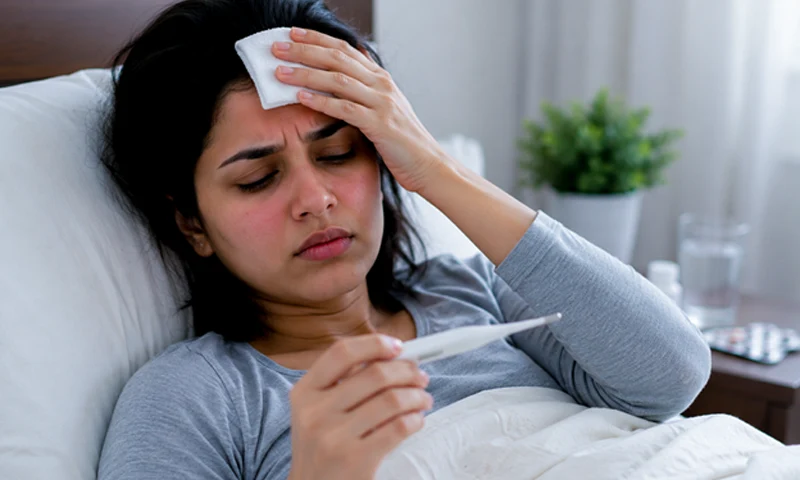
Fever
Fever is one of the most common health concerns and something almost everyone experiences at some point in life. It is not an illness by itself, but a sign that your body is responding to an infection or another underlying condition. When your body temperature rises, it usually means your immune system is actively working to fight harmful organisms such as bacteria or viruses.
In many cases, fever is mild and goes away on its own within a few days. However, it can sometimes cause discomfort, weakness, and concern, especially in children or older adults. Knowing what causes fever, how to recognise symptoms, and how to manage it with proper care and medicines can make recovery easier and more comfortable.
What Is Fever?
Fever is defined as a temporary increase in body temperature, usually above 98.6°F (37°C). It happens when the body resets its internal “thermostat” in response to infection, inflammation, or other triggers.
This rise in temperature helps the body fight infection more effectively. Many bacteria and viruses do not survive well at higher temperatures, so fever is actually part of the body’s natural defence system.
Fever can be:
- Low-grade: Slight increase in temperature
- Moderate: Noticeable rise with symptoms
- High fever: Above 102°F (39°C), which may need closer monitoring
While fever itself is usually not serious, the underlying cause and associated symptoms determine how serious the condition is.
What Causes Fever?
Fever can be caused by a wide range of conditions. Some of the most common causes include:
- Viral infections
These are the most frequent causes of fever. Illnesses like the common cold, flu, dengue, or viral fever often lead to a rise in temperature along with body aches and fatigue. - Bacterial infections
Infections such as throat infections, urinary tract infections, pneumonia, or typhoid can cause fever. These may require specific treatment, like antibiotics. - Inflammatory conditions
Conditions such as rheumatoid arthritis or other autoimmune diseases can trigger fever due to ongoing inflammation in the body. - Heat exhaustion or heatstroke
Spending long hours in hot weather without proper hydration can raise body temperature. - Vaccinations
Some vaccines may cause a mild fever as the body builds immunity. This is usually short-lived and not harmful. - Medications
Certain medicines can cause fever as a side effect, although this is less common.
Understanding the cause of fever is important because treatment depends on what is triggering it.
Common Symptoms of Fever
Fever is often accompanied by other symptoms that can vary depending on the cause. Common signs include:
- Increased body temperature
- Chills or shivering
- Sweating
- Headache
- Muscle or body aches
- Weakness and tiredness
- Loss of appetite
- Dehydration
In some cases, people may also feel warm to the touch, experience flushed skin, or have difficulty concentrating.
In children, fever may present differently. They may become irritable, cry more than usual, or have trouble sleeping. Some children may also refuse to eat or drink.
Recognising these symptoms early can help you take timely steps to manage the condition.
How Fever Is Treated
Treatment for fever depends on its cause and severity. Mild fever may not always require medication and can often be managed with rest and fluids. However, medicines can help reduce discomfort and bring down the temperature when needed.
Medications That May Help
- Paracip 500 (Tablet)
Paracip 500 contains paracetamol, one of the most widely used medicines for fever. It helps lower body temperature and relieve mild to moderate pain. It is generally safe when taken in the recommended dose and is suitable for both adults and children (in appropriate doses).
- Meftal P (100 mg Suspension)
Meftal P contains mefenamic acid and is commonly used in children to manage fever and mild pain. It works by reducing inflammation and lowering body temperature. It may help improve comfort, especially when fever is associated with body aches. Always use it under medical guidance, particularly for children.
In cases where fever is caused by bacterial infections, a doctor may prescribe antibiotics. It is important not to take antibiotics without medical advice.
Supporting Yourself During Fever
Along with medicines, simple home care measures can make a big difference in recovery:
- Stay well hydrated
Drink plenty of water, soups, or oral rehydration fluids. Fever can lead to fluid loss through sweating. - Get enough rest
Your body needs energy to fight infection. Rest helps speed up recovery. - Wear light clothing
Avoid heavy or tight clothes. Light clothing helps the body release heat. - Use lukewarm sponging
Sponging with lukewarm water may help reduce body temperature and provide comfort. - Eat light, nutritious food
Choose easy-to-digest foods such as fruits, soups, or simple home-cooked meals. - Avoid self-medication
Always follow the recommended dose and consult a doctor if unsure.
These supportive steps can help you feel better and recover more comfortably.
When to See a Doctor
While most fevers are mild and resolve on their own, some situations require medical attention. You should consult a doctor if:
- Fever lasts more than 2 to 3 days
- Temperature is very high (above 102°F or 39°C)
- There is severe headache, stiff neck, or confusion
- You experience difficulty breathing
- There is persistent vomiting or inability to drink fluids
- Fever occurs in infants or very young children
- Symptoms suddenly worsen
Early medical care can help identify the cause and prevent complications.
Conclusion
Fever is a natural response of the body and is often a sign that your immune system is working to fight infection. While it can be uncomfortable, most fevers can be managed effectively with proper care, rest, and hydration.
Medicines like Meftal P and Paracip 500 may help reduce temperature and improve comfort when used as directed. Along with these, simple home care measures can support faster recovery.
If the fever persists, becomes severe, or is accompanied by worrying symptoms, it is important to seek medical advice. Early diagnosis and treatment can prevent complications and ensure better outcomes. With the right approach, fever can be managed safely, helping you return to your normal routine sooner.
Disclaimer
The information provided in this article is intended for general educational and informational purposes only and should not be considered a substitute for professional medical advice, diagnosis, or treatment. While every effort has been made to ensure the accuracy of the information, medical knowledge and treatment guidelines may change over time.
The medicines mentioned, including Paracip 500 and Meftal P, are provided as examples of commonly prescribed medications for fever and should be used only under the guidance of a qualified healthcare professional or as directed on the product label. Do not self-medicate or exceed the recommended dosage.
If you have persistent or high fever, severe symptoms, underlying medical conditions, are pregnant or breastfeeding, or are treating an infant or elderly person, seek prompt medical attention. Never delay or disregard professional medical advice based on the information presented in this article.
The publisher and author are not responsible for any adverse effects, losses, or damages resulting from the use or misuse of the information contained herein. Always consult your doctor or healthcare provider before starting, stopping, or changing any medication or treatment.
