

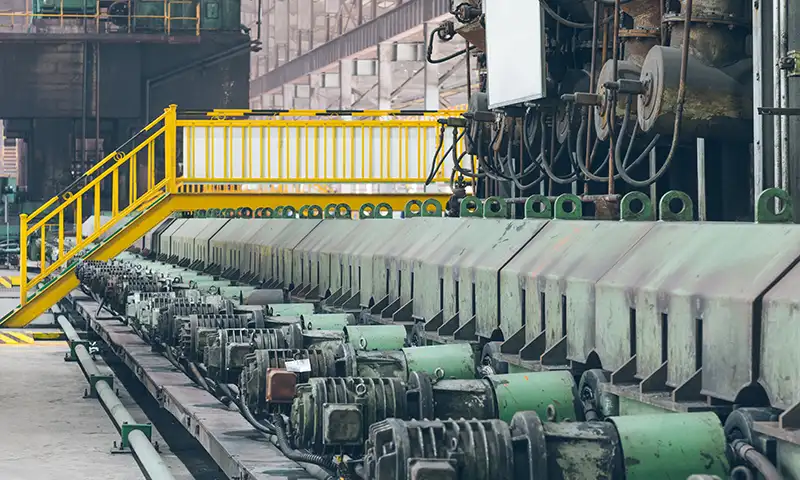
Belt Press Dewatering Systems
For industries dealing with wastewater treatment or sludge management, finding efficient ways to separate solids from liquids is a crucial operational challenge. Whether you’re managing a municipal treatment plant or industrial facility, you might be wondering: how do belt press dewatering systems work?
Belt press dewatering systems use a combination of gravity drainage and mechanical pressure between two tensioned belts to squeeze water out of sludge, typically achieving 15-30% final solids content.
While this basic explanation covers the fundamentals, understanding the specific zones and stages of the dewatering process can help you optimize your system’s performance and troubleshoot common issues. Let’s dive deeper into how these systems function at each stage and what factors influence their effectiveness.
What Are The Three Main Zones Of A Belt Press System?
A belt press dewatering system operates through three distinct zones, each serving a specific purpose in the dewatering process. The gravity zone comes first, where the sludge is distributed onto the upper belt and initial water drainage occurs through gravity alone. This passive separation typically removes 50-70% of the free water.
Next, the sludge enters the wedge zone, where low pressure is applied as the upper and lower belts begin to converge. This creates a wedge-shaped space that gradually increases pressure on the sludge, forcing out additional water without overwhelming the system.
Finally, the high-pressure zone uses a series of rollers of decreasing diameter to apply increasingly higher pressure to the sludge between the belts. This zone maximizes water removal through mechanical pressure, producing the final dewatered cake.
What Factors Affect Belt Press Performance?
Several key variables influence how effectively a belt press system operates. Sludge characteristics, particularly the initial solids content and type of solids, play a crucial role. Different materials respond differently to pressure and may require adjustments to belt speed or tension.
Chemical conditioning is another critical factor. Proper polymer selection and dosing help optimize flocculation, which improves water release from the sludge. Without effective chemical conditioning, even the best belt press system won’t achieve optimal results.
What Regular Maintenance Do Belt Press Systems Need?
Belt press systems require consistent maintenance to operate efficiently and avoid costly breakdowns. Daily cleaning of the belts is essential to prevent buildup that could reduce dewatering effectiveness or damage the belts. Operators should regularly inspect the belt tracking and tension, making adjustments as needed.
Belt wear should be monitored closely, as worn belts can significantly impact performance. Most systems require belt replacement every 1-2 years, depending on usage and operating conditions. Regular lubrication of bearings and other moving parts is also crucial for system longevity.
Preventive maintenance schedules should include checking and calibrating instrumentation, inspecting roller conditions, and verifying proper operation of wash water systems. Many facilities partner with industrial dewatering services companies to handle these complex maintenance requirements and ensure optimal system performance. This proactive approach helps ensure consistent performance and extends equipment life.
How Can You Optimize Belt Press Energy Efficiency?
Energy consumption represents a significant operational cost for belt press systems, but several strategies can help minimize power usage. Operating at the optimal belt speed is crucial – running too fast wastes energy and reduces dewatering effectiveness, while running too slow reduces throughput unnecessarily.
Proper tension control also impacts energy efficiency. Excessive belt tension increases motor load and accelerates wear, while insufficient tension reduces dewatering performance. Modern systems often include automatic tension control to maintain optimal settings.
Installing variable frequency drives (VFDs) on belt press motors can provide substantial energy savings by allowing speed adjustments based on feed conditions. Additionally, ensuring proper maintenance of bearings and drive components reduces friction losses and overall power consumption.
What Are The Signs Of Belt Press System Problems?
Recognizing early warning signs of belt press issues helps prevent major failures and maintain optimal performance. Poor cake dryness is often one of the first indicators of problems, potentially caused by inadequate chemical conditioning, improper belt tension, or worn belts.
Uneven cake discharge or belt tracking issues usually indicate mechanical problems such as roller misalignment or uneven belt wear. Unusual noises or vibrations can signal bearing problems or roller damage that requires immediate attention.
Excessive wash water usage or poor belt cleaning might indicate worn spray nozzles or incorrect spray patterns. Monitoring these indicators and responding promptly to changes helps maintain system efficiency and prevents costly downtime.
Conclusion
Now that you understand how belt press dewatering systems work and what affects their performance, the next step is to evaluate your current chemical conditioning program. Schedule time with your polymer supplier or wastewater treatment specialist to review your existing chemical selection and dosing rates, as this single factor can significantly impact your system’s efficiency and operating costs.
